Safety basics, licensing, the best time of day to go out, and the kind of routes jet ski operators typically run along the coast near Dubai Marina.
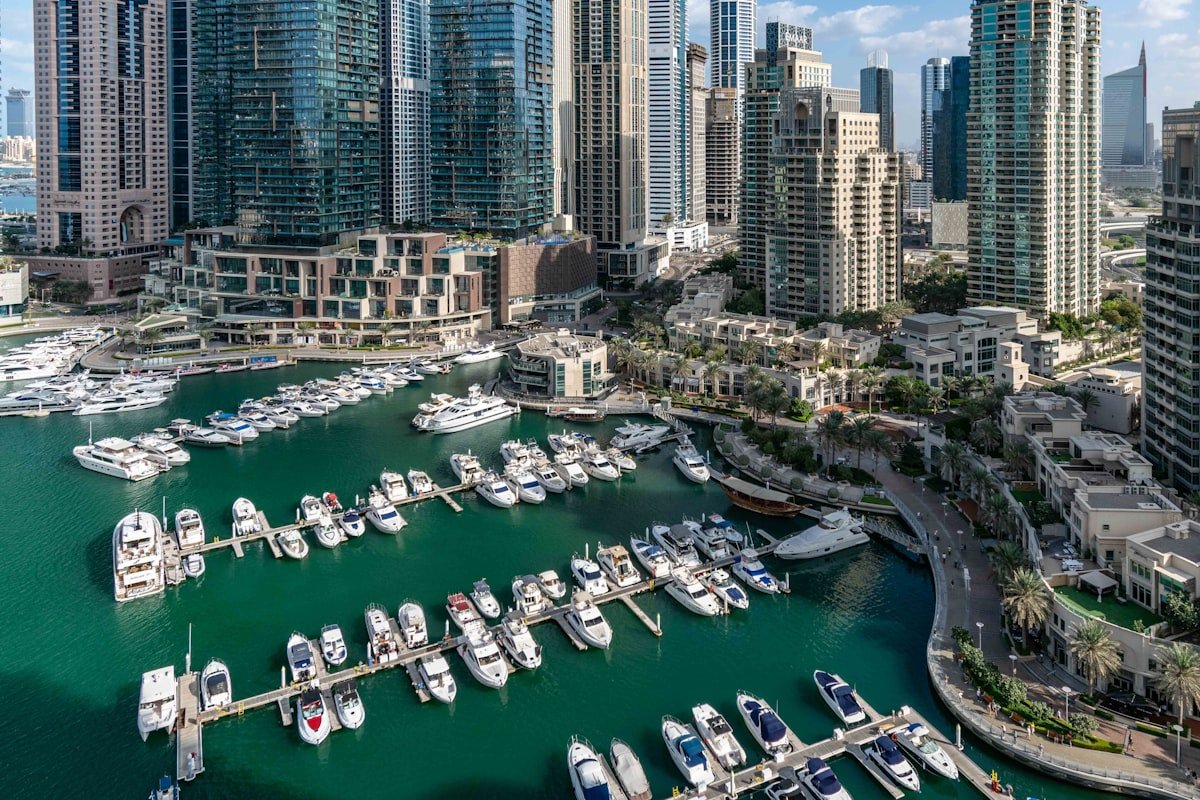
Jet skiing is one of the more popular watersports along the Dubai Marina and JBR coastline, thanks to calm, sheltered water inside the Marina itself and open sea access nearby. Sessions typically run as either a guided tour — following a set route with an instructor — or a supervised free-ride session within a marked area, depending on the operator.
Operating a personal watercraft in Dubai is regulated, and requirements have changed over the years, so this is one area where you should always confirm the current rules directly with your chosen operator or Dubai's marine authorities before your trip rather than relying on any single source. In general, most visitors ride with a licensed instructor or guide included as part of a rental session, which is the most common route for tourists who don't hold a personal watercraft license. Life jackets are mandatory, and a safety briefing before you go out on the water is standard practice with reputable operators.
Morning sessions tend to have calmer water and cooler temperatures, which makes for an easier ride if you're new to jet skiing. Sunset sessions are popular for the views — the skyline lit up against the evening light — though the water can be slightly choppier depending on conditions. Strong wind days are generally best avoided for a smoother ride.
Jet ski tours from the Marina area commonly run along the coastline toward Palm Jumeirah, with views of landmarks like the Atlantis resort and, further along, the Burj Al Arab. Shorter sessions may stay within the Marina and JBR stretch of coastline. Exact routes depend entirely on the operator and weather/sea conditions on the day.
Swimwear, a towel, and something secure to hold small valuables (many operators offer dry storage, but it's worth asking). Sunscreen is worth applying before you go out, since reflection off the water increases sun exposure.
Most rental operators offer both single-rider and two-person (double) jet skis. A double lets an experienced rider take a passenger along, which suits couples or a parent riding with an older child, while a single is the standard choice for solo riders or anyone wanting to control the ride themselves. Pricing and availability differ by operator, so it's worth asking which configurations they actually have before assuming both are available.
Jet skiing involves core strength and balance more than raw fitness — you're absorbing bumps through your legs and torso as the ski moves over waves. It's generally suitable for most healthy adults and older teens, but isn't ideal for anyone with back or neck issues, given the jolting motion at higher speeds, or for pregnant riders. If in doubt, mention any health concerns to the operator before booking.
Sessions are usually weather-dependent — strong wind or rough sea conditions can lead an operator to shorten, reroute, or reschedule a session for safety. This is standard practice rather than a red flag, so it's worth having some flexibility around your exact time slot if conditions look marginal on the day.
Rules can change, so always confirm with your operator — but most tourist sessions run with a licensed guide included, so a personal watercraft license usually isn't required for a standard guided ride.
Guided sessions with a safety briefing and life jackets are designed for first-timers. If you're nervous, ask for a guided/instructor-led session rather than a solo free-ride.
Age and height/weight minimums vary by operator and by whether a rider is solo or a passenger on a double ski — always confirm directly with the operator if you're booking for children or teens.
Reputable operators will shorten, reschedule or refund a session if conditions become unsafe — worth asking about their weather policy when you book.
For most guided tourist jet ski sessions, a personal license is generally not required. A professional instructor provides safety instructions before the ride.
Yes, beginners can enjoy jet skiing with a safety briefing, life jacket and guidance from experienced instructors. Follow all safety instructions throughout the session.
Bring swimwear, a towel, sunscreen and a valid ID if requested by the operator. Safety equipment such as life jackets is normally provided during the activity.